

 {{ wordsItem.word }}

 {{ item.rate }}



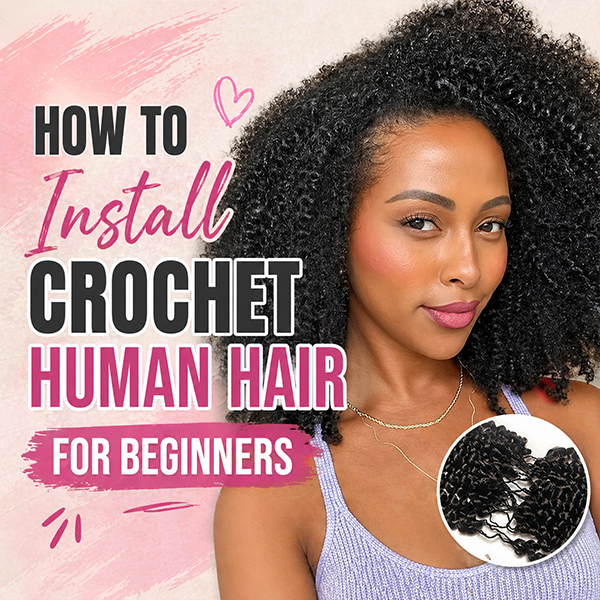
Have you ever tried to install crochet hair by yourself? Actually, many beginners are glad to learn how to install crochet human hair. But they worry about facing problems and cannot solve. In fact, crochet hair is a perfect choice for beginners due to its many advantages. This blog will teach beginners relative knowledge and help them quickly master the basic installation techniques.
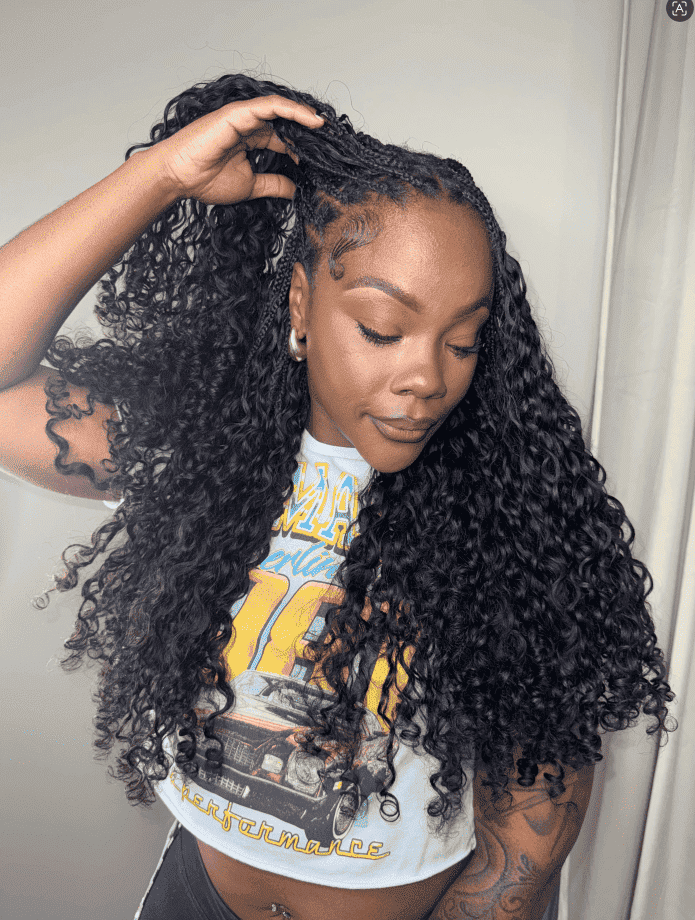
What You Need Before Installing Crochet Human Hair
1. On the point of selecting tools, it is suggested choosing 0.5mm–0.7mm crochet hooks for beginners. Because it easily penetrates the hair net and weaves by the hair without being too thick or too thin. At the same time, beginners should avoid hooks thicker than 0.8mm or thinner than 0.4mm. Based on this, we recommend choosing hooks with non-slip handles.
2. On the point of selecting human hair: You should try to choose human hair that closely matches your own according to your natural hair color. When you choose hair texture, you can select fine, soft hair, which is lightweight and of moderate density. When you choose length, we recommend you to choose medium-length hair and preferably pre-curled or naturally straight styles to reduce styling difficulty later on.
3. On the point of handling your own hair: There are cornrow braids and low ponytail braids. On the one hand, cornrow braids are suitable for those with thick hair and lengths at or above the shoulders. They are ideal for long-term wear. On the other hand, low ponytail braids are fit for those with thinner hair and shorter lengths. They are simpler and quicker to apply and saves preparation time. They are also suitable for short-term wear.
4. There are many additional tools: About hair wax, you can choose a lightweight, non-greasy, clear formula and use it sparingly. About hairspray, you should select a gentle, non-stiffening type. After completing the style, you may lightly spray it onto the surface of the hair strands. You must be sure to maintain a spraying distance of 15–20 cm and avoid spraying directly onto the scalp to prevent irritation.
How to Install Crochet Human Hair Step by Step
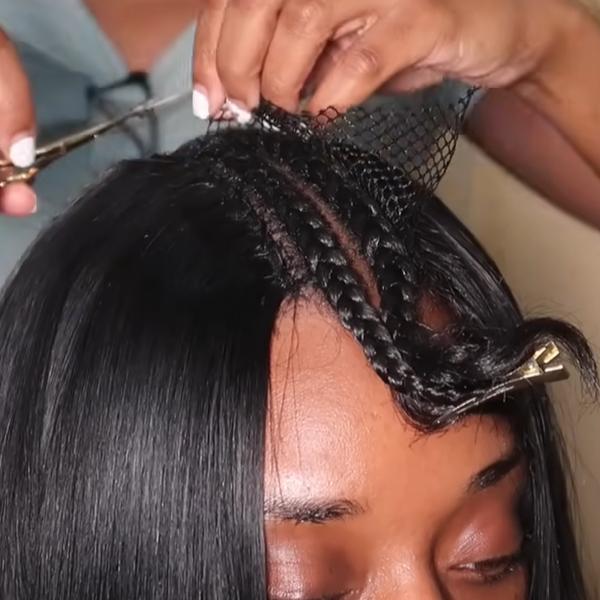
The First Step: You should secure your natural hair. You can use a hair net to cover your natural hair, then you may divide it into sections and secure them to prevent loosening.
The Second Step: You should insert the hook and attach the hair. Beginners often make mistakes regarding the angle of the hook and the force used to attach the hair. Don’t worry, it is normal. You should explore the angle that works best for you, and avoid using too much force, because this can pull on the scalp.
The Third Step: You should secure with knots. You can use the method of knotting to protect the natural hair.
The Fourth Step: You should install the hair one by one from back to front to ensure even density.
For the final step, you can trim and comb the hair according to your facial features to ensure it lies naturally and smoothly.
Common Crochet Hair Installation Tips for Beginners
1. How to avoid pulling on the scalp during installation:
For the first place, you should maintain moderate tension when braiding. Some special things to note about do not pulling your own hair too tightly. When you use the crochet hook, you should keep the angle between 30 ℃ and 45 ℃ to avoid piercing the scalp vertically. In addition, you can use gentle movements and do not apply excessive force. If you experience a stinging sensation on your scalp during installation, you must stop immediately. What’s more, you can’t work continuously for long time. Maybe you can take a short break every 10–15 minutes.
2. The suggestions of installation density for beginners:
If you are the first time to install, the excessive density is not allowed. You can follow the general principle of “dense at the back, sparse at the front, and moderate on the sides”.
3. There is a simple way to check if the installation is firm:
After installation, you should gently pull on each strand of crocheted hair. If it moves slightly but does not loosen, it is firmly fixed; If you pull it off, take it off and tie it again to fix it.
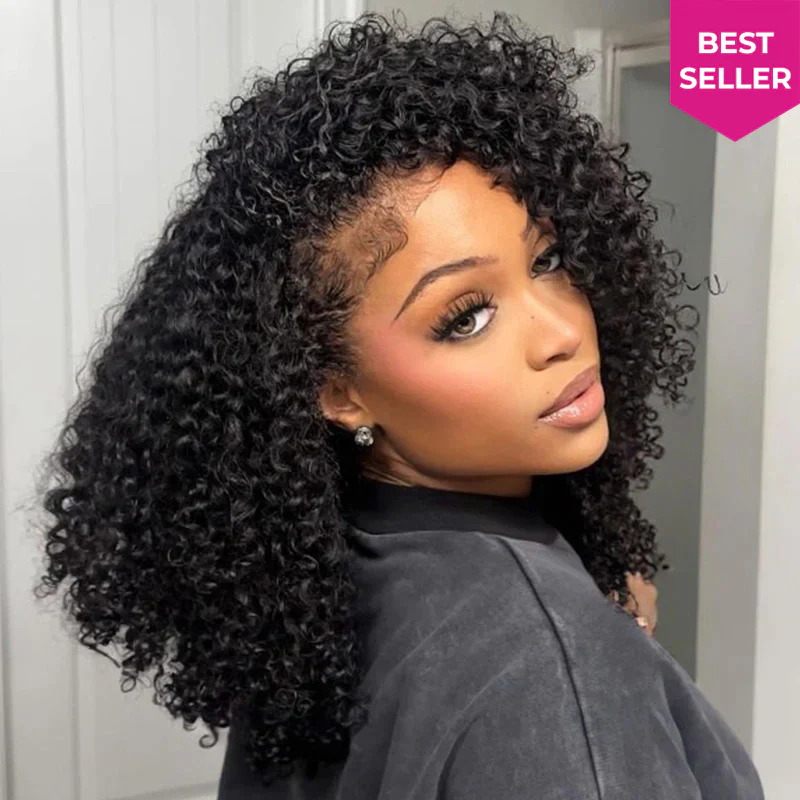
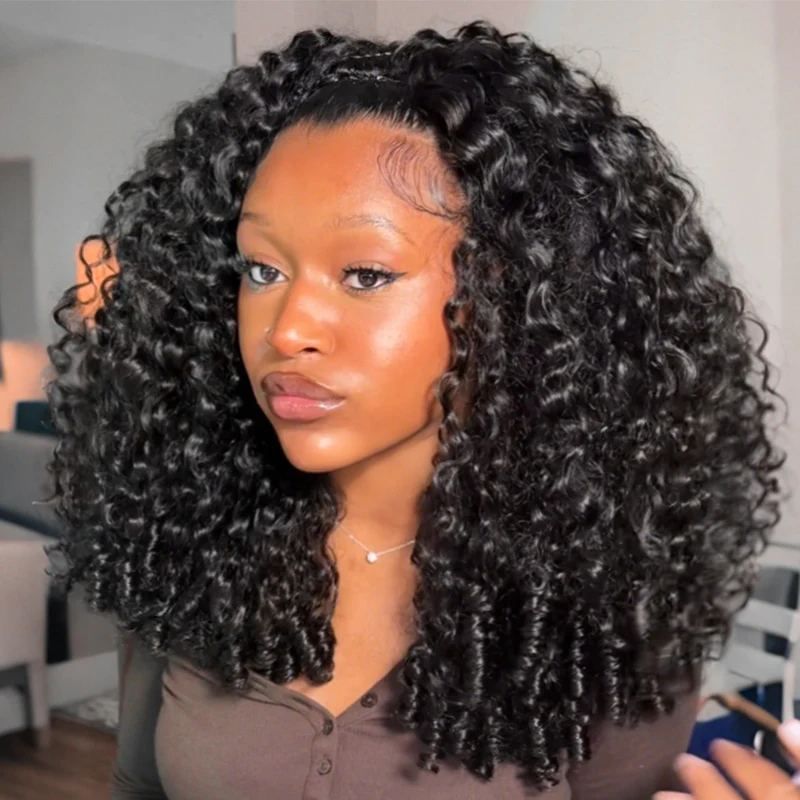

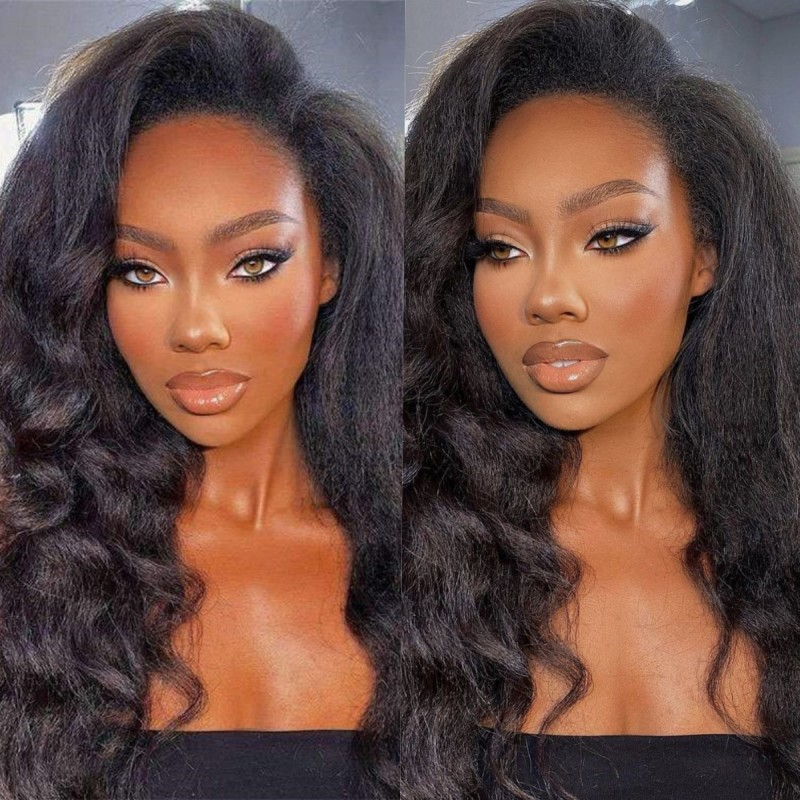
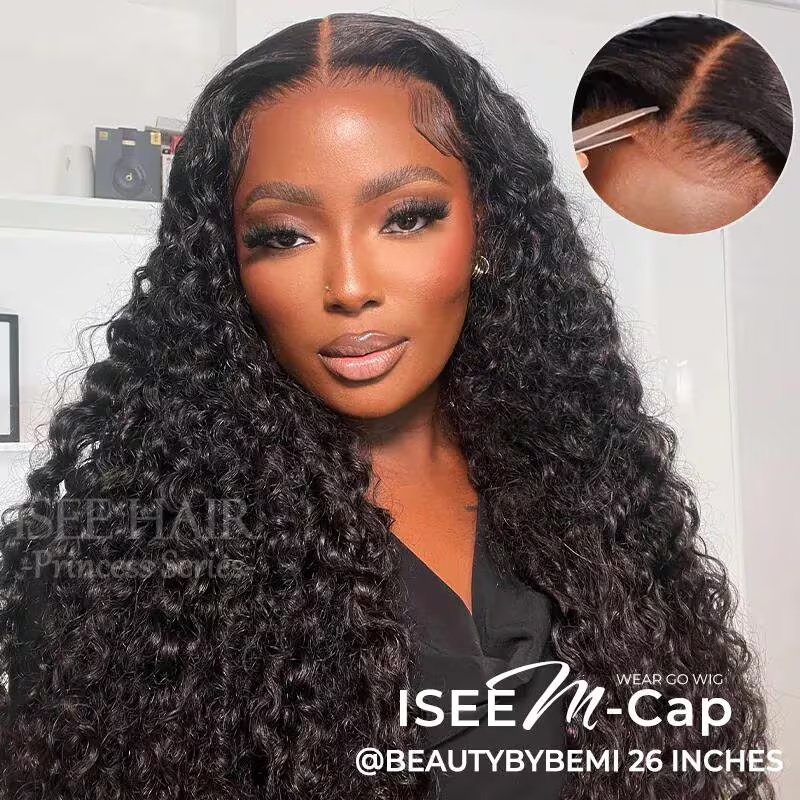
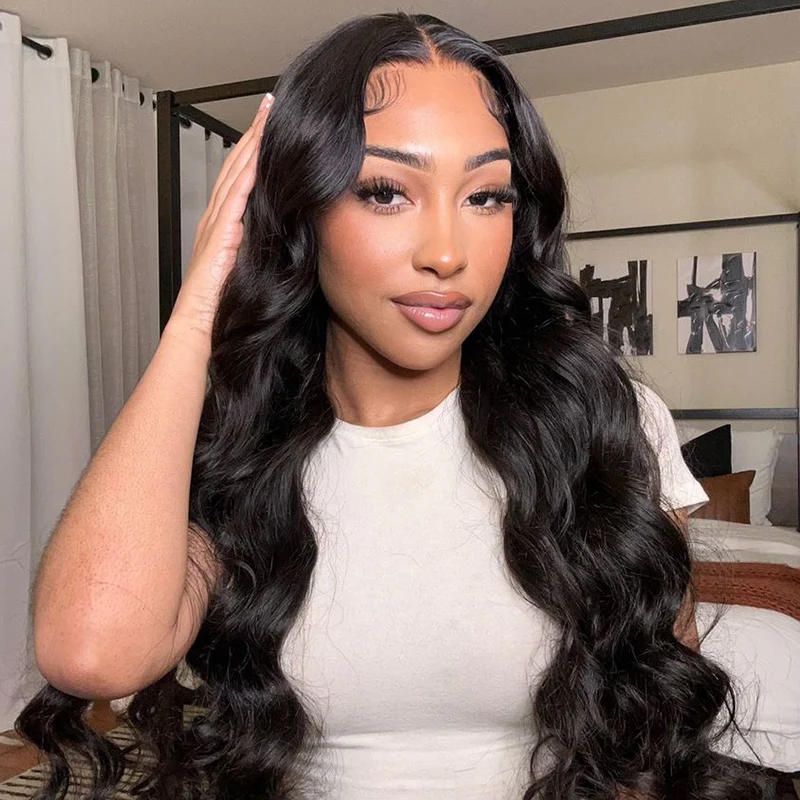
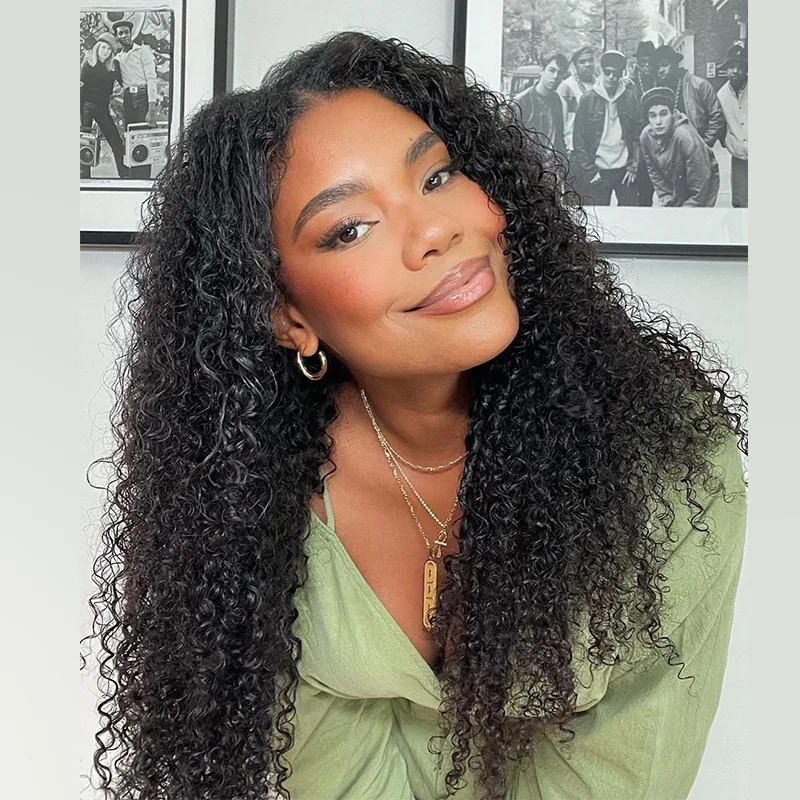
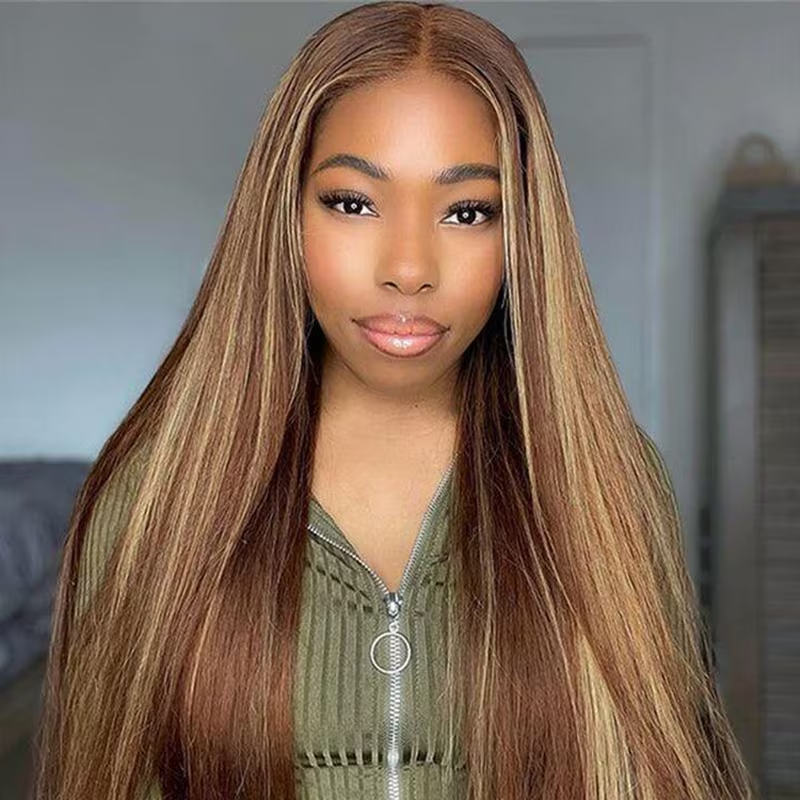
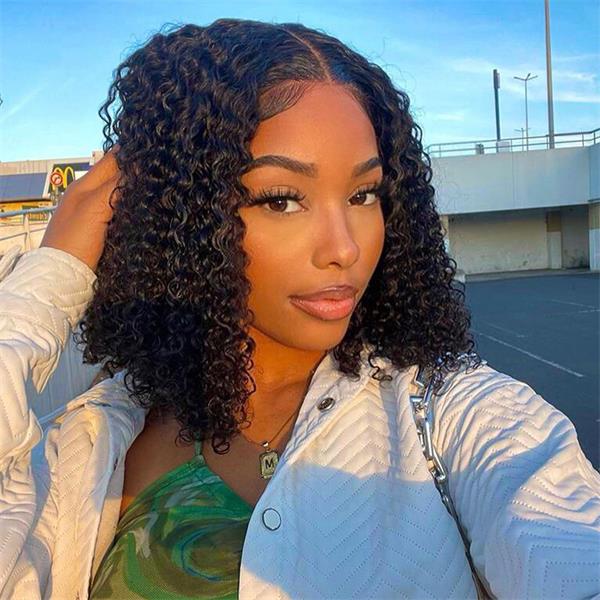
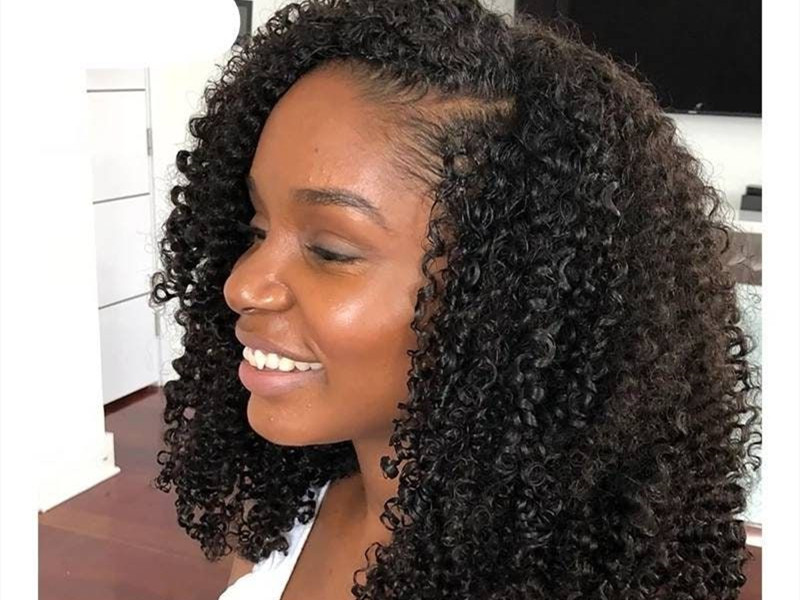
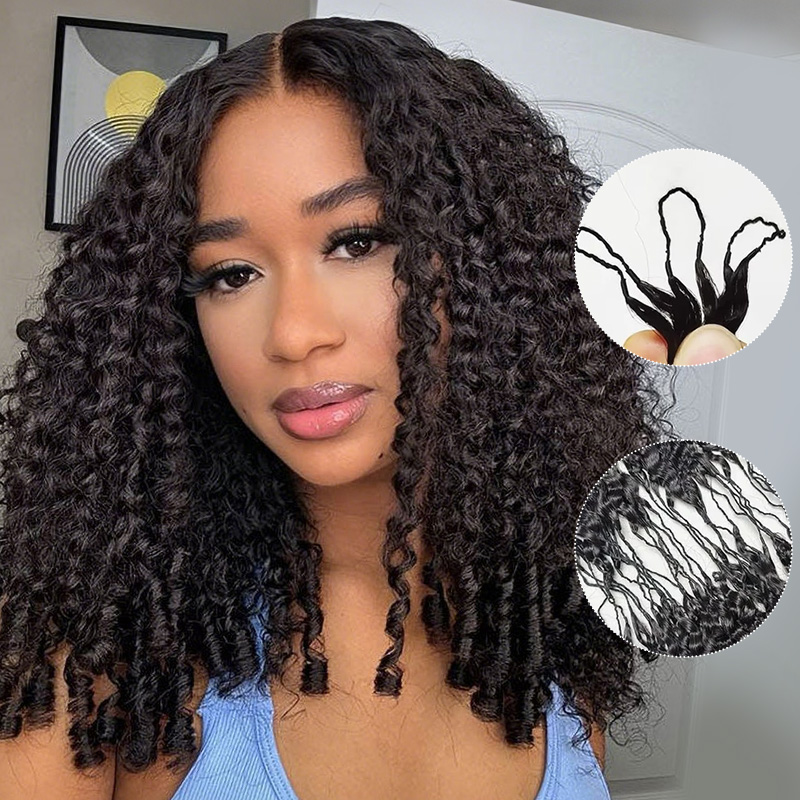
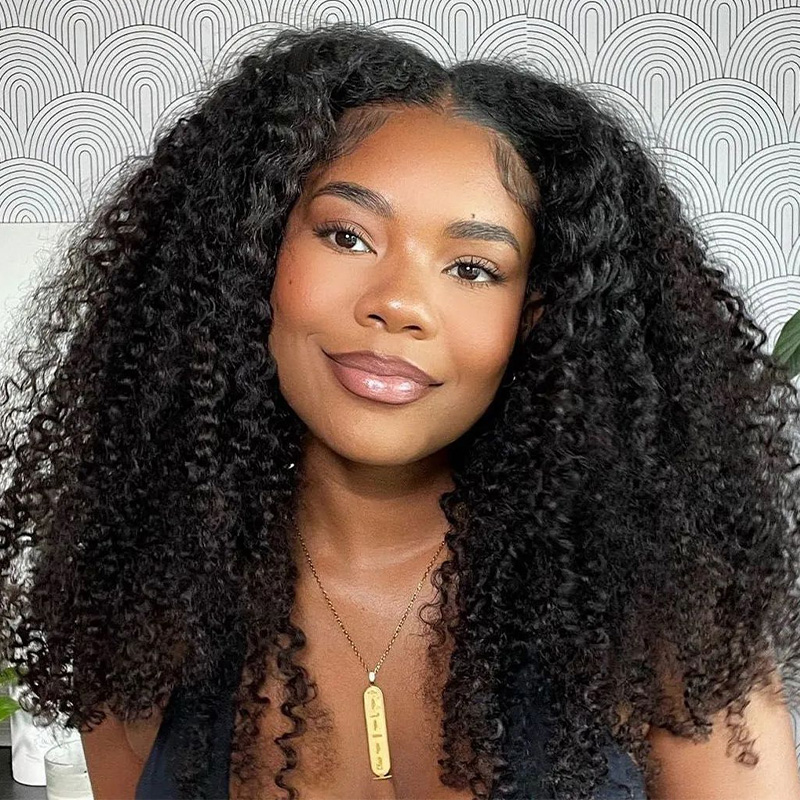
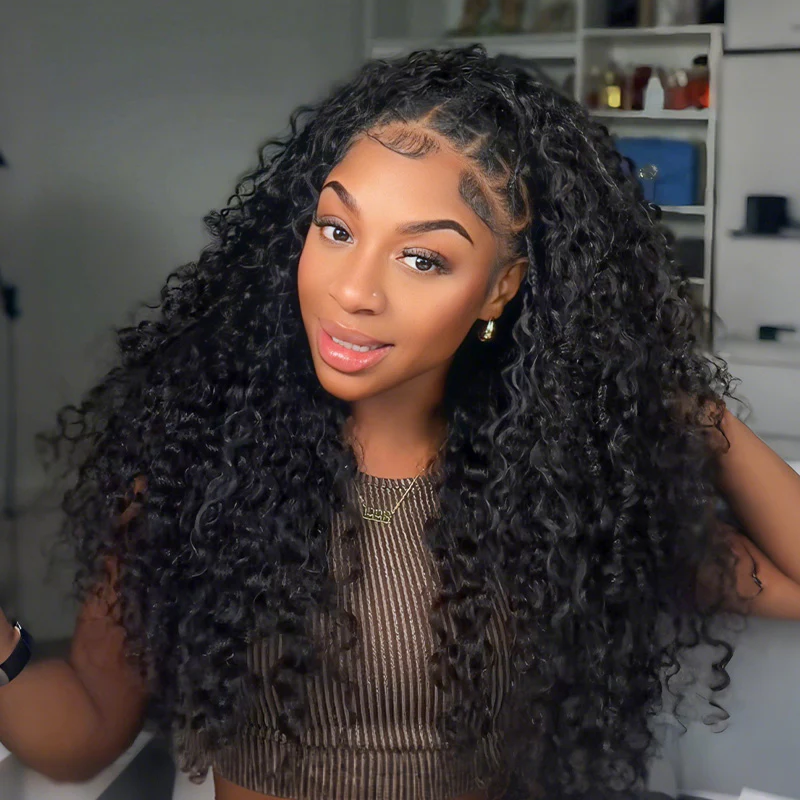
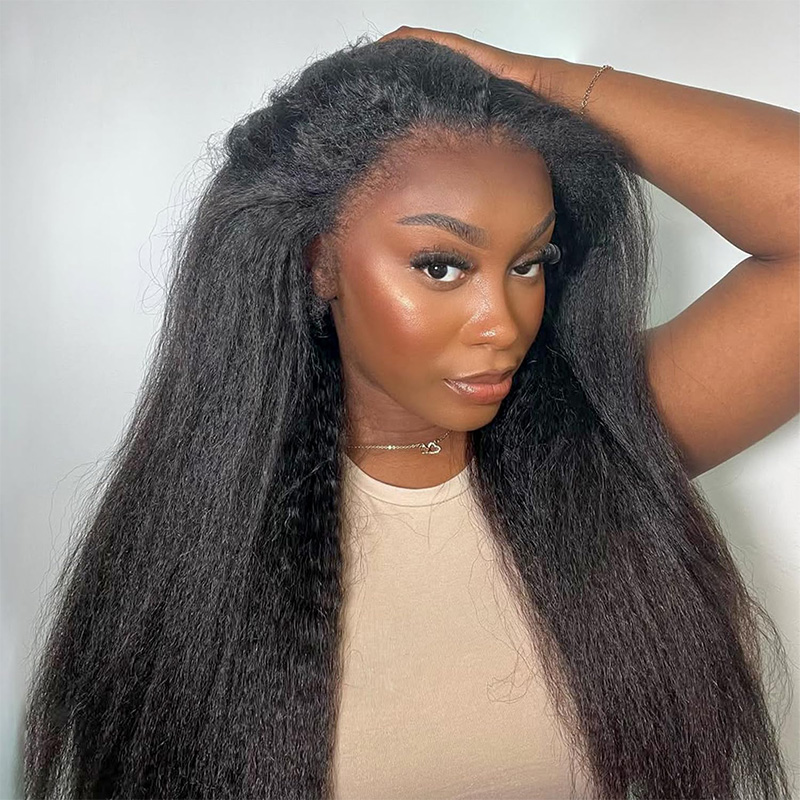
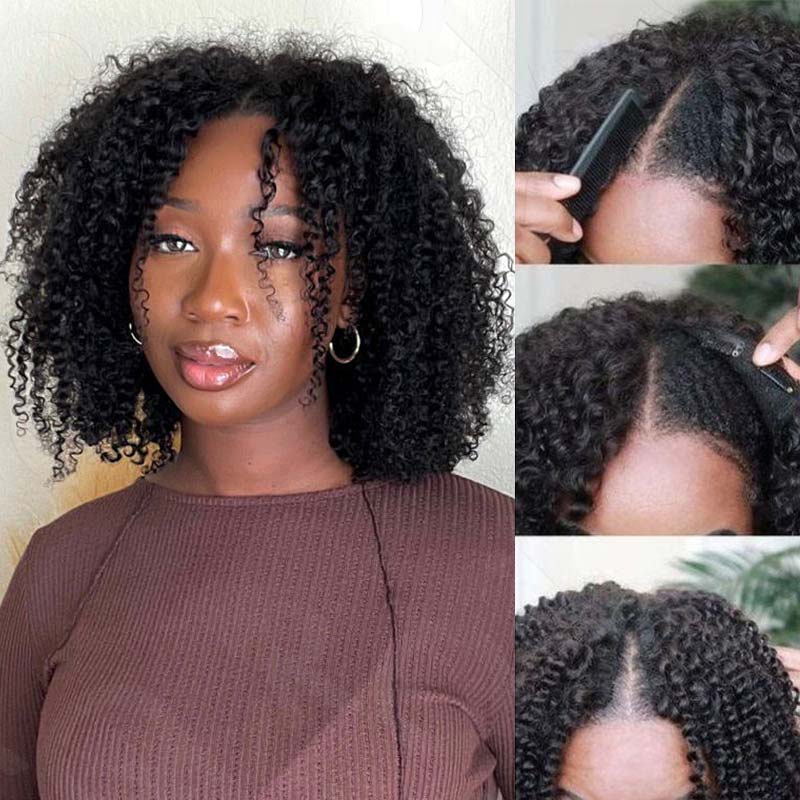
Isee Crochet Human Hair
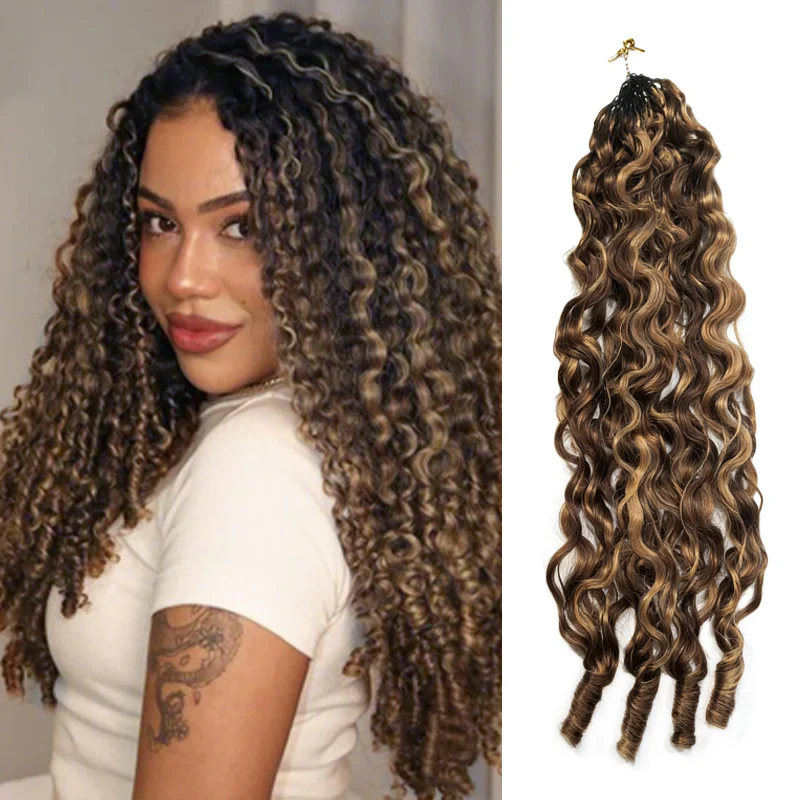
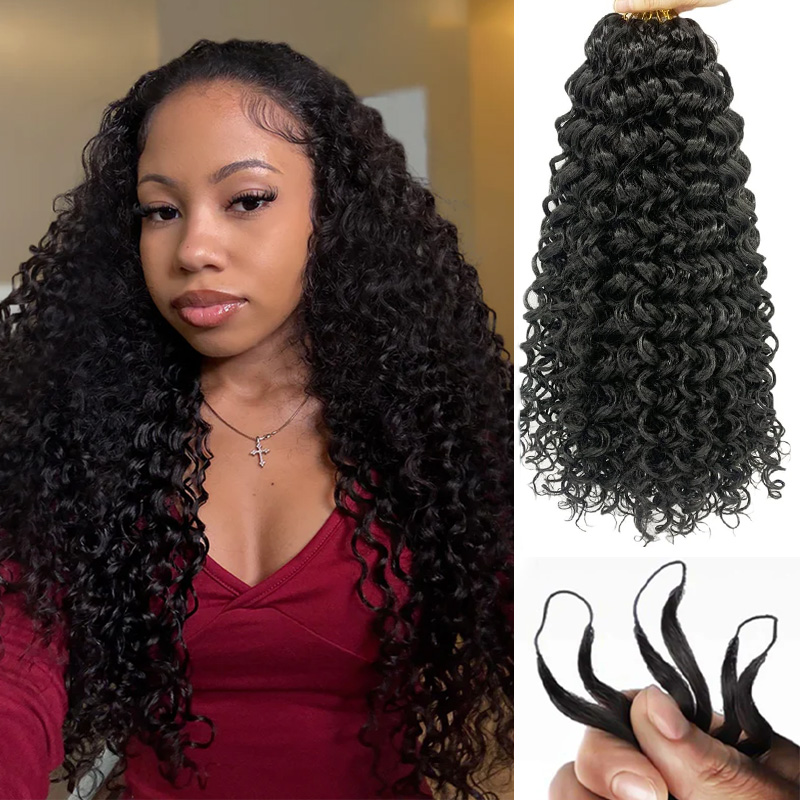
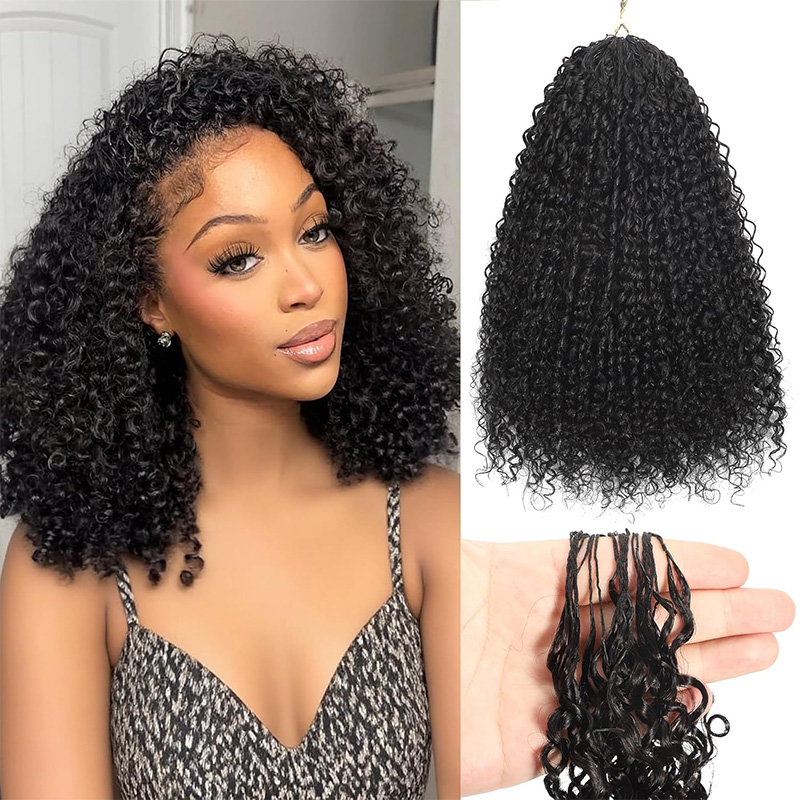
Final Thoughts
As this blog explains, the key to installation for beginners is patience and finding the right method; with practice, you’ll soon become proficient. In fact, crocheting human hair extensions isn’t difficult at all. As long as you avoid common pitfalls and master the right techniques, even beginners can easily master the skill and create beautiful, secure hairstyles. We genuinely invite you to share your tips for avoiding these pitfalls with other beginners in the comments section, so we can learn from and encourage one another.